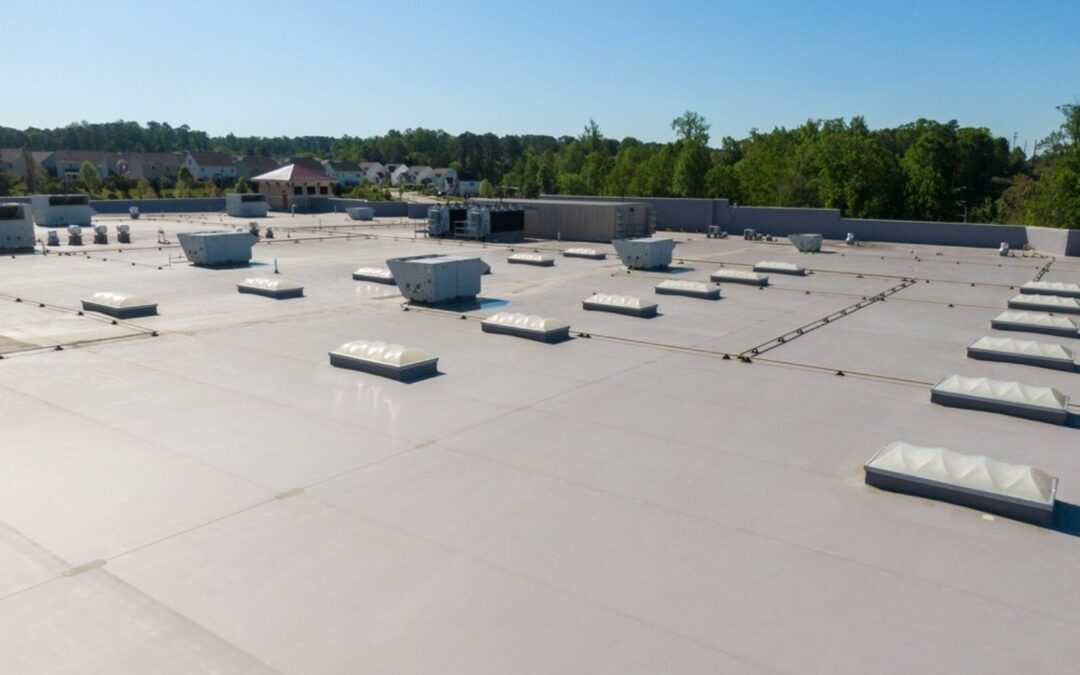
Flat roofs in Milwaukee offer long-lasting protection to both residential and commercial buildings—but when issues fly under the radar, they become expensive and dangerous problems for property owners. Ignoring early warning signs can lead to water intrusion, damaged ceilings, mold growth, compromised insulation, business disruptions, and even structural deterioration.
Whether you own a commercial facility or a flat-roof home in the Milwaukee area, staying proactive with maintenance and inspections is essential for protecting your investment and dodging unnecessary repair costs, headaches, and frustrating repair projects.
Below are the key warning signs your flat roof needs attention—what each problem means, what happens if you leave it alone, and how Watershed Construction can help.
If you notice any of these on your property, call a roofer as soon as possible.
Looking For Something In Particular?
- Why Safety Matters For Flat Roofs in Milwaukee For Homes & Commercial Properties
- How These Flat Roof Problems Start
- Water Ponding on Your Milwaukee Flat Roof
- Cracks, Blisters, or Bubbling
- Flat Roof Leaks or Interior Water Stains
- Membrane Tears or Physical Damage
- How To Know What Type of Flat Roof You Have (And Care Tips)
- Protect Your Property
Why Safety Matters For Flat Roofs in Milwaukee For Homes & Commercial Properties
Flat roof systems do more than protect your building from mother nature. They safeguard your property’s value, keep it upright through tough winds and disasters, and cover daily operations.
For homeowners, flat roof neglect can mean:
- Mold growth and indoor air quality concerns that can cause allergic reactions and serious symptoms.
- Sagging ceilings and costly interior repairs
- Reduced insulation performance and higher energy bills
For commercial property owners:
- Business disruption and downtime due to repairs
- Damage to valuable equipment, inventory, and technology (which is why we have roofs)
- Safety liabilities and tenant complaints (Landlords must keep properties in a reasonable state of repair—which includes addressing mold)
Routine maintenance and professional inspections ensure your roof remains watertight, structurally sound, and fully functional. But if you neglect these signs, don’t say we didn’t warn you when it’s time for repairs…
How These Flat Roof Problems Start
Most flat roof problems don’t just appear overnight. They usually come from everyday situations property owners deal with all the time—or storms. If any of these sound familiar, there’s a good chance your roof may already be developing issues:
Heavy Rain & Snow
Milwaukee weather is tough. Heavy rain, melting snow, and freeze–thaw cycles can cause roofs to sag slightly, drains to clog, and materials to wear down faster. If your building went through a rough storm season, small problems may already be forming.
Aging Roofs
Flat roofs don’t last forever. Over time, materials dry out, crack, shrink, and weaken. Even if your roof “looks fine,” age alone can lead to leaks, bubbles, and soft spots that aren’t visible from the ground.
Foot Traffic on the Roof
If contractors, HVAC techs, maintenance crews, or even you have been on the roof, that foot traffic can easily cause punctures and tears—especially if tools or equipment were brought up there.
Poor Past Repairs or Installation
Not every roof was installed with care. Sometimes past repairs are done cheaply, incorrectly, or just as a “temporary fix” (never by Watershed Construction, though). Those quick fixes eventually fail, and when they do, they cause bigger problems.
Lack of Regular Maintenance
Flat roofs don’t always “remind you” something is wrong until it becomes serious. If it’s been years since your last roof inspection, there’s likely wear and tear developing that you just can’t see yet—and you might not be able to—until it’s too late.
Storm or Wind Damage
Strong winds can loosen seams, lift roofing material, or blow debris onto the roof. Hail can bruise or crack the surface. Even if damage isn’t obvious, storms are one of the biggest reasons roofs fail later.
If you read any of these and thought, “Yes… that happened to my building,” then it’s worth having a professional take a look. Most serious roof problems start small — and simple inspections catch them before they turn into expensive repairs. Now here’s what you should look for if any of these occurred.
Signs Your Flat Roof Needs Repairs
Now that you know why protecting your property’s armor is important and you know something’s happened, here’s what you need to look out for to know something’s up.
1. Water Ponding on Your Milwaukee Flat Roof
What You See
Puddles collecting and sitting on top of your flat roof longer than 24–48 hours after rainfall.
What It Means For Your Property
Flat roofs are designed to move water toward drainage areas. If water sits on the surface, it means your roof has poor drainage, improper slope, clogged drains, or structural settling. Meaning you’re more susceptible to leaks, a shifting/sagging building, and a damaged asset that needs fixing.
Risks If Ignored:
- Accelerated roof aging (roof are supposed to last 20-30 years)
- Roof sagging and stress on structural components
- Increased likelihood of leaks and internal water damage
Solutions
If water keeps sitting there, it will eventually find a way inside. We make sure water can actually get off your roof. That may mean clearing blocked drains, fixing low spots where water collects, or improving the slope so water flows the way it should. Fixing it now prevents leaks, sagging, and expensive interior repairs later.
2. Cracks, Blisters, or Bubbling
What You See
Raised areas, bubbles, cracks, or blistering across the roof surface.
What It Means For Your Property
These formations signal trapped moisture or air beneath the membrane (key roofing layer), heat expansion issues, or material fatigue. This is typically a sign your roof is weakening and losing its protection.
Risks If Ignored
- Rupture to one of your roof’s key layers (the membrane)
- Water intrusion beneath the roof surface
- Spread of moisture to insulation and decking
- Significant repair or replacement costs down the road
Solution
Those cracks and bubbles are weak spots. We carefully remove damaged sections, dry everything out underneath, and seal the area properly so water can’t sneak in again. Repairing them early before the damage spreads keeps your property strong and saves money.
3. Flat Roof Leaks or Interior Water Stains
What You See
This one you’ll need to take a look inside. You’ll spot ceiling stains, dripping water, wet drywall, musty odors, or peeling paint.
What It Means For Your Property
If you’re seeing signs of water inside, the roofing issue has already gone bad. Moisture has breached the outer roofing layer and is making its way into the building. Not something you want.
Risks If Ignored
- Mold growth and health concerns
- Damage to ceilings, walls, insulation, and electrical systems
- Potential business downtime for commercial properties (and losing revenue)
- Long-term structural weakening to the building
Solution
If you’re seeing water inside, the problem is already serious. We find exactly where the water is coming from (not just the drip you see), stop the leak at the source, and repair the damaged roofing so it doesn’t happen again. Quick repairs protect your ceilings, insulation, walls, and prevent mold.
4. Membrane Tears or Physical Damage
What You See
Visible cuts, punctures, open seams, or areas where the roofing material appears torn.
What It Means For Your Property
This usually occurs from storms, foot traffic, equipment installations, or aging materials. Once the membrane is compromised, your roof loses its protective barrier.
Risks If Ignored
- Immediate exposure to moisture
- Rapid interior water intrusion
- Structural rot and decking damage
- Reduced roof lifespan
Solution
Once the roof is open—even a little—water can get in immediately. We patch or replace the damaged section, reseal the area so it’s watertight again, and reinforce it to prevent future tearing. Fixing it right away prevents major structural repairs down the road.
How To Know What Type of Flat Roof You Have (And Care Tips)
Not all roofing solutions are created equal. Roofers will have to tailor your protection based on the type of roof you have. However, many property owners aren’t sure what kind of flat roof they have—and that’s completely normal. Identifying your roofing material helps determine the right maintenance approach and repair solutions. Here’s a quick guide to help:
EPDM (Rubber Roofing)
- Usually black in color
- Has a rubber-like feel, similar to an inner tube
- Often appears as a large continuous sheet with seams around edges
- Common on both homes and commercial roofs
What to Do:
- Watch for shrinkage at edges and seams
- Keep debris off the surface to prevent punctures
- Address tears immediately before moisture spreads
TPO Roofing
- Typically white or light gray
- Has a smooth, plastic-like surface
- Seams are usually heat-welded and visible as straight, clean lines
- Common on newer commercial and modern residential flat roofs
What to Do:
- Inspect seams regularly
- Monitor for heat or UV-related cracking
- Maintain routine inspections for commercial applications
PVC Roofing
- Usually white and similar in appearance to TPO
- Feels slightly thicker and more rigid
- Often used in restaurants and buildings where chemical resistance matters
What to Do:
- Check for cold-weather stress cracking
- Ensure flashing and seams remain secure
- Ideal for commercial roofing—just requires consistent monitoring
Modified Bitumen / Built-Up Roofing
- Often has a granulated, asphalt-shingle-like surface
- May appear layered or “rolled on”
- Dark gray or black in color
- Common on older roofs and many residential flat roofs
What to Do:
- Look for bubbling, cracking, or worn granulated surfaces
- Inspect penetration areas such as HVAC units or vents
- Be aware of soft spots suggesting trapped moisture
Protect Your Property With a Professional Flat Roof Inspection From Roofers That Care (And Know What They’re Doing)
Flat roof damage develops silently—and by the time it’s visible, repairs are often more expensive than they needed to be. But now that you know what to look for, the best thing to do is to take action. Luckily, you don’t need to get on your roof and get busy—that’s what we’re here for.
At Watershed Construction, we specialize in flat roofs and help homeowners and commercial property owners with flat roof repairs in Milwaukee (and replacements). We’ll inspect the damage for you and see what you really need. Sometimes it’s just basic maintenance—but you might not know when it’s time for a full replacement.
When you’re ready to fix up your flat roof and protect your biggest investment, give Milwaukee’s trusted flat-roof specialist a call.
✔ Professional inspections
✔ Honest guidance
✔ Quality repairs
✔ Long-term roofing solutions
👉 Schedule your FREE flat roof inspection and protect your property